NYC legislation,
simplified.
Search every bill, committee, and hearing in one place — or read the weekly digest to see what moved and why it matters.
Used by the NYC Comptroller's Office, Citizens Budget Commission, and advocacy organizations across the city.
Recent Headlines
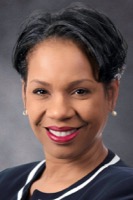



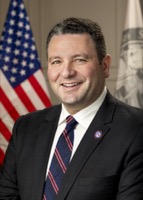
Waterfront Water-Quality Bill Advances; Four Others Stall in Committee
Read digest · Apr 6 – Apr 12Every week we break down what the Council passed, what moved in committee, and why it matters.
Find Your Council Member
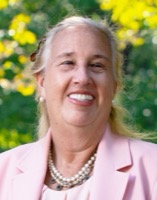
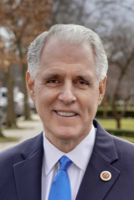
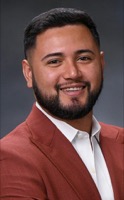
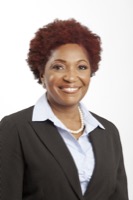
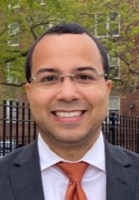
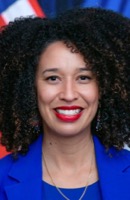
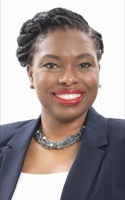
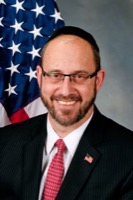
Browse all 51 membersSearch by zip code, neighborhood, borough, or council member name to find who represents you.
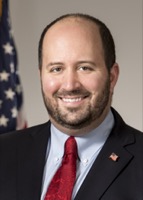

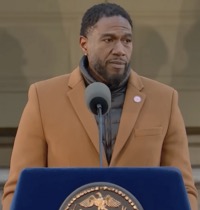




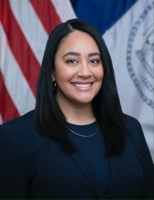

























Council Schedule
Oversight - Rebuilding the Municipal Workforce - Hiring Strategies for the New Administration.
Oversight - Rebuilding the Municipal Workforce - Hiring Strategies for the New Administration.
Oversight - Voting on Rikers.
Procedures for and reporting on curing ballots for voters in department of correction custody.
Requiring a report on voter registration in city jails.
Oversight - Voting on Rikers.
Procedures for and reporting on curing ballots for voters in department of correction custody.
Requiring a report on voter registration in city jails.
Oversight - Early Childhood Educator Workforce Development and Pipeline.
Establishing a child care workforce grant and services program.
Oversight - Early Childhood Educator Workforce Development and Pipeline.
Establishing a child care workforce grant and services program.
Oversight - Early Childhood Educator Workforce Development and Pipeline.
Establishing a child care workforce grant and services program.